Is Shoulder Season
The Best Season To Visit Europe?
Shoulder season is considered by veteran travelers to be the best of the best for traveling in Europe.
The weeks roughly aligned from mid-September to mid-November, and between mid-March and mid-May, are quickly becoming the sweetest seasonal spots to travel practically anywhere in Europe.
Depending on who you ask [including industry insiders] this middle of the road, off peak travel season is the cherry on top of your travel parfait.
Travelers choose shoulder season as the best season to visit Europe not only because of better prices, but more importantly, the freedom from traveling in Europe with the rest of the world!
To translate: this means there are across the board discounts and deals for travelers during shoulder season, and the hordes of summer tourists have all gone home.
Traveling in off peak travel season, finds prices for every part of your trip more reasonable than during the peak season of summer travel.

Hotels drop their rates in fall due to the dwindling number of customers, and in spring they've not yet raised rates in anticipation of peak summer crowds.
Hoteliers are often open to negotiating room rates, being eager to win your business.
Local transportation is more easily accessible and often cheaper, with fewer tourists to ride.
Even restauranteurs offer seasonal price adjustments and eagerly welcome you through their doors.
Though more and more tra-velers look to the off peak travel season as the best season to visit Europe, the number of tourists in spring and fall remains magically minimal from the masses of the summer season.
Attractions are operating full tilt, especially if you travel within a few weeks either side of the peak travel season. As crowds thin, schedules shorten, but with fewer people to contend with, visits to museums and major sites are blissfully pleasant.
Weather during shoulder season throughout Europe is mild and tolerable, if not comfortable.
While shorter days and jackets will be the norm, it’s easier to get around and get where you're going, plus it takes less time to get into the places you want to see.
For most sights and attractions, there are no lines to maneuver, allowing you to walk right in!
The simple fact that there are few, if any, entrance lines to endure for hours just to get into major attractions, allows you to intensify your travel schedule and see more of what you came to Europe for.
Is Shoulder Season the Perfect Time To Travel?
Shoulder season travel throughout Europe is almost perfect.
But the weather can be unpredictable.
Like anywhere in the world, Europe can have late blasts of cold in Spring, winters that come earlier than usual, untimely heat waves, and unexpected rainy seasons.
Be sure to take travel clothes that will keep you protected from the elements.
A light jacket for wind or rain. Cotton layers for chilly mornings and cool evenings.
Solid shoes that go from exploring a 16th century fort in Civitavecchia, to dining in that quaint little bistro in Bruges. Shoes that don't scream tourist.
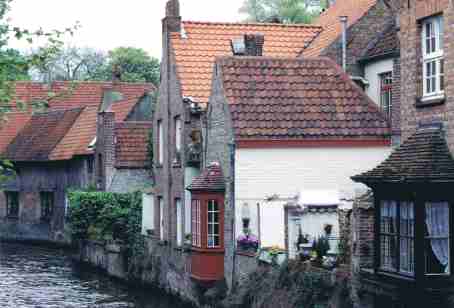
Be realistic in what you expect a trip during shoulder season to be. Learn the average temperatures and rainfall for your trip destination, and be prepared for changes in Europe's off season weather.
Just as in low season travel, there will be give and take between climate and temperatures, costs and crowds.
Only you can decide if the trade-off is worth it.
So, how do you decide when you should travel Europe? The best answer is when you want to.
Once you know how travel seasons can impact your plans, you can make an informed decision for the best season to travel to Europe.
And if you plan accordingly, you'll be in control of your trip, the cost of your travel, and [at least partially] what to expect from the weather.
For more information on how to choose the best season to travel to Europe, check the following pages:
Travel in Peak Season is not for the faint of heart. Learn how to deal with the crowds, the costs, and the chaos of peak season travel in Europe.
Travel in Low Season finds a different side of Europe. Toss your weather concerns aside to discover the Continent's true soul.
Return to When To Travel Europe
Travel Tip
When you purchase your airline ticket for any travel season, the date of your departure determines the price you pay for your ticket.
If you depart from your home city any time during the airline’s peak travel season, your total ticket price will be based on high season prices.
Conversely, if you schedule your departure from home on the last day of low season, your roundtrip airfare to Europe will be at the low season price. As a rule, airlines do not combine seasonal fares.
Return to Homepage | Return to Top...
One Hundred & One Beautiful Small Towns in Italy


A Visual Guide to Italy's Unique and Charming Secret Small Towns
 Subscribe To Our Site


Search Our Site

Updated Travel Topics






Make Your Packing Easier and your Trip More Organized...


Packing Cubes from eBags

Our Readers Say...
Thanks for providing all these awesome resources for travel addicts on your website! ~ Sally D./Canada
I enjoyed looking through your website, especially the article you've written about yourself and your passion for travel. I share the same passion. ~ Theresa C./US
This is the first time I’ve visited your site, and it's fantastic. I think it's a terrific resource as an all-travel portal. ~ Steven F./US
I’ve been reading your blog, travel-safe-travel-smart.com and found the article 'Use The Best Travel Guides To Plan Your Trip' extremely interesting. ~ Jessica B./US